I don’t often get political on this blog, except when something threatens the things I love. In this case the potential natural disaster is the proposed new HS2 railway line which will go from London through to Birmingham, then in its second phase it will extend to Manchester and Leeds.
My concerns about this development are mostly ecological but let’s just mention the fiscal cost of this project. 30 billion was the starting cost quoted when the project was first proposed. Now that has risen to 50 billion with the last estimate. That’s £50,000,000,000. If any previous Government projects are to be used as comparisons for a final cost (e.g. the Olympics in London) then the final cost could be treble that amount.
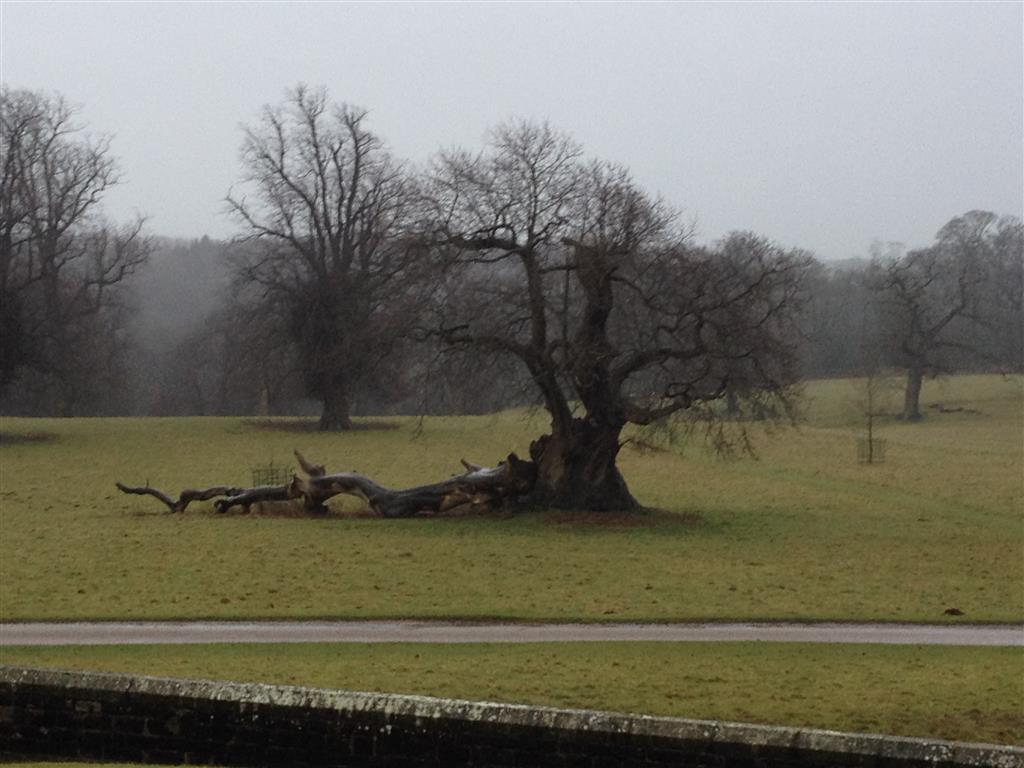
How long will it take us to make that back? How long will it be before we see the “economic benefit” of such a railway line? It’s not as though the cities involved don’t already have a railway link that’s fast! It only takes me just over 2 hours to get into London on a direct train from Crewe. How long does it take to grow an ancient tree?
What are we losing? Around 30 woodland habitats are in danger, reportedly, although the figures vary even between The Woodland Trust’s web site and their blog. The Trust have listed those woods which are earmarked for destruction.
“Our analysis of the route so far shows that 33 ancient woods are under threat from the whole route with a further 34 at risk within 200m of the line.
The exact level of loss and damage will depend on the final track specifications.
We echo many people’s concerns over HS2’s potential environmental impact. Our primary worry is the high level of damage to ancient woodland along the route.” (source: Woodland Trust)
The current Phase II route specifications can be found here.

The key word here is “mitigation“. The National Planning Policy Framework includes a 5-point statement that plans for new developments should seek to mitigate, and as a final resort compensate, for the effects of new developments like HS2. Unfortunately “frameworks” aren’t law, and there’s a tendency for, nay a history of, developers destroying first, then waiting for the consequences later. Rarely do the consequences catch up with the destructors, and even more rarely are the consequences anywhere near the severity of the destruction. Here’s a link to more information on the wording of the policy statements.
What comes out of the intention of the policy is that there ought to be a “net biodiversity gain“. In other words, there should be more wildlife habitat after the development than there was before it began. Now, ask yourself – is that likely in this instance without significant pressure from groups like The Woodland Trust and other rural pressure groups keeping the pressure on the politicians?
I say – why not attach a specific requirement to the build to replace the habitat it will be destroying by insisting that at least the same amount of woodland be planted along the route? If you would like to know more, or add your weight to the campaign to have HS2 properly mitigated for the inevitable destruction, then you can join with any of the many groups who are currently campaigning. The web site Stop HS2 is a good starting point for finding your way to a cause that you personally connect with in relation to this project.